

How to Track Collections: Receivables Management on Credit Terms
How to track collections: setting up a payment plan, receivables aging, due-date reminders, foreign-currency debt, exchange differences and customer statements. A practical guide.
WimCust Team 7 min read
Collection tracking is the job that determines the cash flow of every company that sells. A significant share of B2B sales is made on credit terms or in installments, and getting paid on time matters as much as the sale itself. A company that looks profitable on paper can run into a cash crunch because it cannot collect its receivables on time. In this article we cover the core rules of collection tracking for small businesses. Since the subject is intertwined with accounting, we recommend reviewing your practices together with your accountant.
Collection starts at the moment of sale
Most collection problems arise from payment terms not being discussed clearly at the time of sale. If the payment plan is written out in the quote, the customer who approves it has also approved what they will pay and when. It is a good start for the quote to include:
- The payment method (bank transfer, check, credit card and so on),
- The number of installments, their dates and amounts,
- Any finance charge and how it is calculated,
- For sales in foreign currency, which rate applies at payment.
When this information is in the approved quote, your collection plan is ready too.
Setting up a collection plan
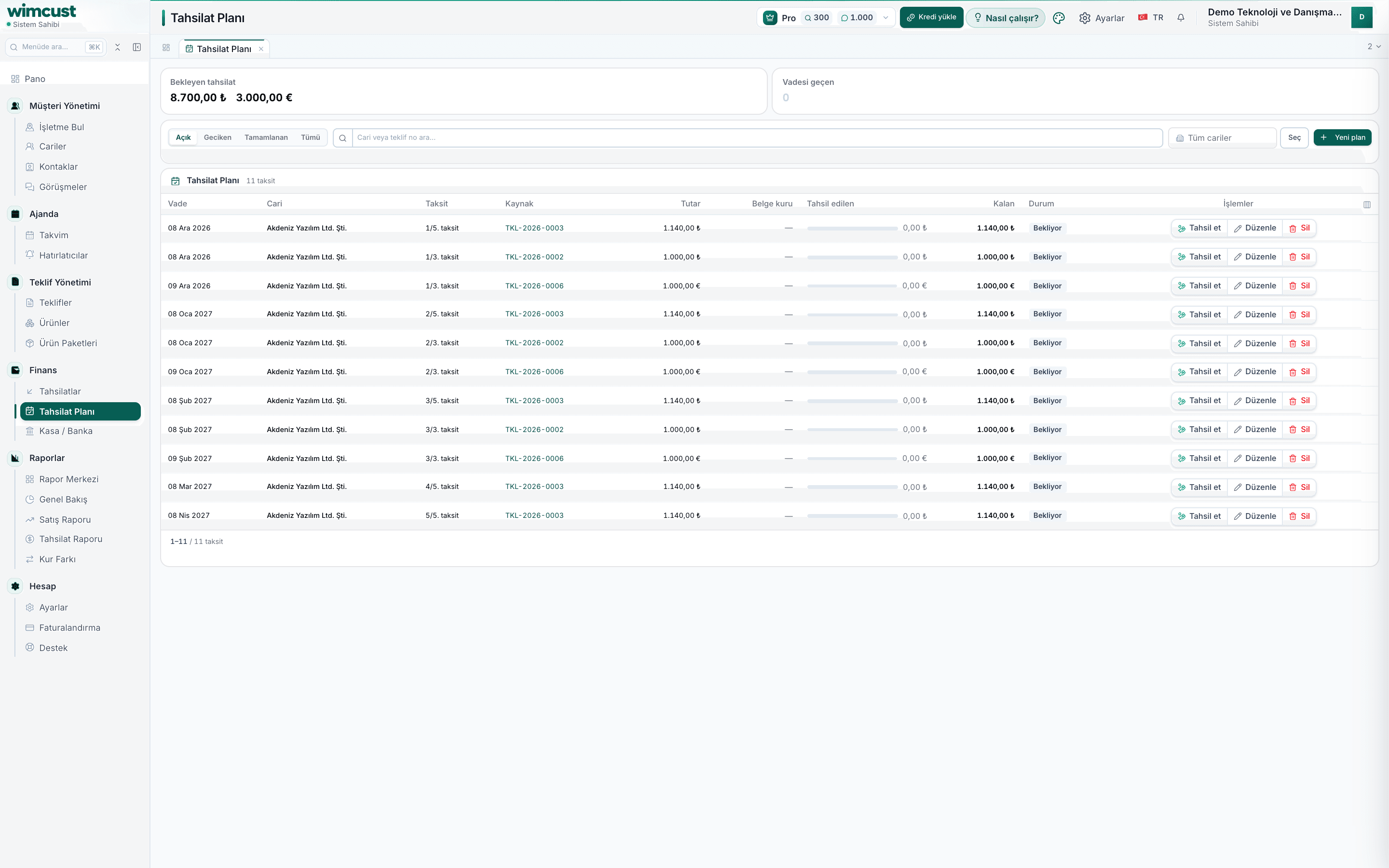
A collection plan is the list of dates and amounts of the payments you expect from a sale. There should be a separate plan for each sale, and the plan should be tied to the sale's document (quote, order, invoice). In the plan, the status of each installment is tracked: pending, partially paid, paid, overdue.
Partial payments are common. If a customer pays 30,000 of a 50,000 installment, the installment should show "partially paid" and the remaining 20,000 should be visible. Tracking this by hand is error-prone; the paid amount and status of an installment should be calculated automatically from the collections entered.
Receivables aging
Aging groups open receivables by how long they have been due. A common grouping is:
- Not yet due,
- 1-30 days overdue,
- 31-60 days overdue,
- 61-90 days overdue,
- More than 90 days overdue.
An aging table tells you two things: where the total risk is accumulating and which customers you urgently need to talk to. Receivables beyond 90 days usually need special attention; if the amount in this group is growing, it is time to review your sales policy (who you sell to, and on what terms).
An important detail in aging: group the remaining amount of the installment, not the whole of it. A partially paid installment enters aging with its unpaid part.
Reminders: before and after the due date
The most effective collection tool is a polite reminder made at the right time. Many delays come not from bad intent but from forgetfulness or confusion in the customer's own payment calendar.
- A few days before the due date: an informational message such as "We would like to remind you of the installment due next week."
- On the due date or just after: a short reminder if payment has not been made.
- If the delay continues: call, agree on a payment date and record it.
Automatic reminders reduce the team's workload, but they do not replace a phone call where the relationship with the customer is sensitive. Personalized messages containing the customer's name, the amount and the due date get better results than generic "please make your payment" texts.
Customer statement and balance
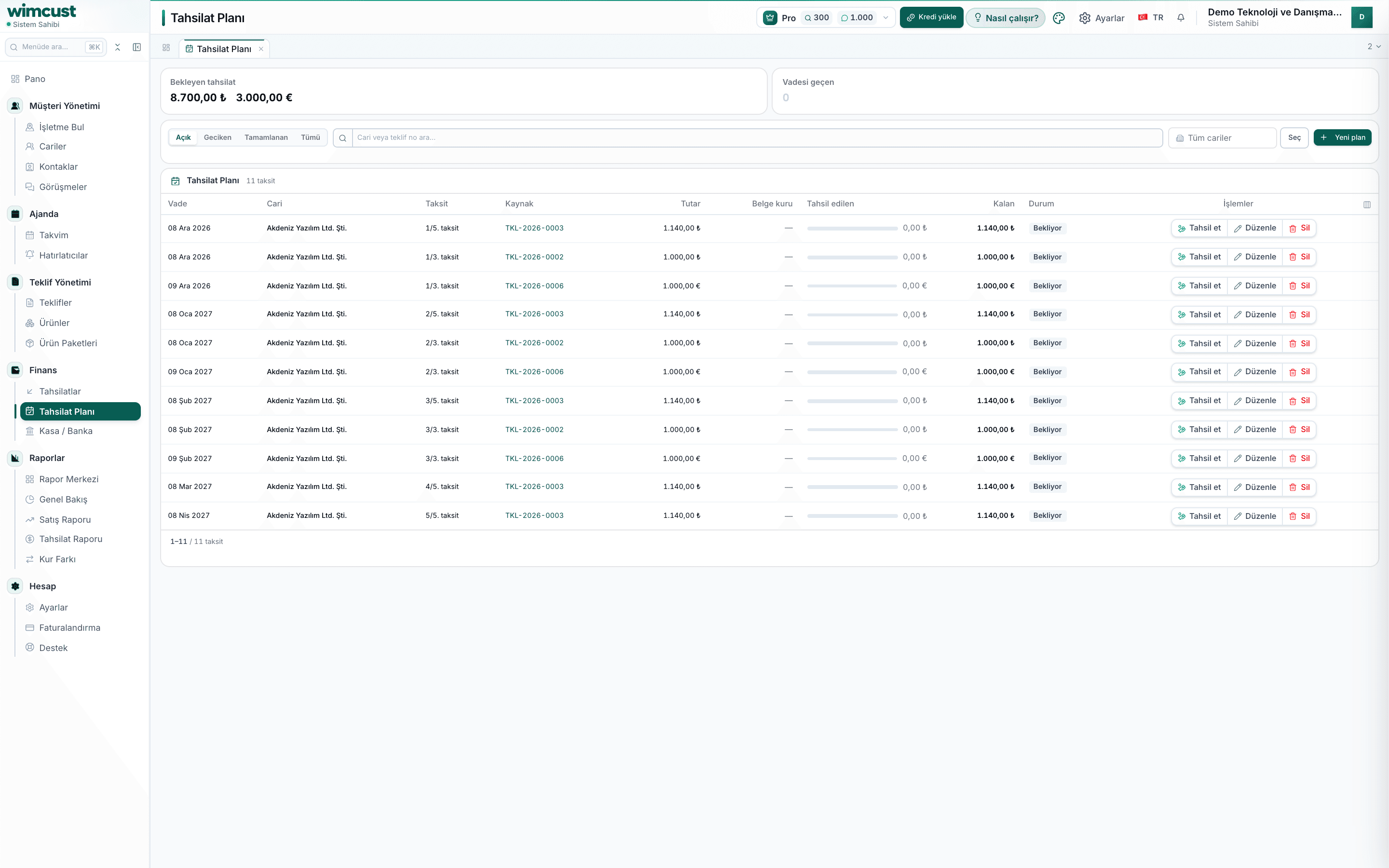
Each customer's statement lists the debts (sales) and credits (collections) posted to them in date order. The statement is the basis for reconciling with the customer: to be able to say "according to our records your balance is this," the statement has to be accurate and up to date. Making a correcting entry instead of deleting a wrongly entered collection preserves the trail of the past.
If you work in multiple currencies, balances should be kept per currency. A debt of 1,000 USD and a debt of 30,000 in another currency cannot be added together.
Foreign-currency debts and exchange differences
When a customer who owes in foreign currency pays in your local currency, there are two amounts: the local currency that enters your cash account and the foreign currency deducted from the debt. The ratio between them is that day's exchange rate. If the rate at the time of sale differs from the rate on the payment date, an exchange difference arises. How the exchange difference is treated for accounting and tax purposes (for example, whether an exchange-difference invoice must be issued) depends on the rules in your country and on your transaction; work with your accountant on this. What matters for collection tracking is recording the rate at which each collection was made and the resulting difference.
Credit limit
Setting a credit limit for each customer prevents the open balance from growing out of control. The limit can be updated over time based on the customer's payment history and size. Pausing to think before making a new credit sale to a customer who has exceeded their limit reduces collection problems at the source.
Cash and bank accounts
When a collection is entered, which cash account or bank account the money went into should be recorded too. That way the customer's balance and the cash balance are updated at the same time. Calculating the balance from transactions instead of keeping it by hand as a number prevents inconsistencies.
A weekly collection routine
- List the installments that fall due this week.
- Review the overdue installments by aging group.
- Plan phone calls for delays beyond 30 days.
- Enter incoming collections on the day.
- At month end, compare the amount collected and the total overdue with the previous month.
Difficult collection conversations
Calling a customer about an overdue payment is a job most sales reps dislike, because they fear damaging the relationship. A few principles make the conversation easier:
- Call with facts: which installment, what amount, when did it fall due? Keep the statement at hand.
- Ask, do not accuse: instead of "You have not paid," say "Did something go wrong with the installment, how can we help?"
- Get a concrete commitment: at the end of the call, agree on a payment date and amount, record it and set a reminder for that date.
- Consider separating sales from collection: in some companies, overdue-receivable calls are made by a finance person instead of the sales rep; this protects the rep's relationship with the customer.
A written collection policy
If it is written down who is sold to on which terms, what steps are followed when payment is late and at what point new sales are stopped, the team behaves consistently. The policy does not have to be long; even a one-page guide makes the question "should we send this customer a new quote?" easier.
The role of the sales team
Seeing collection as only finance's job is a common mistake. The rep has the closest relationship with the customer and is often the first to learn the reason for a payment delay (the customer's cash crunch, dissatisfaction, an invoice error). Letting the rep see overdue installments in their own portfolio and take them into account in sales conversations helps catch problems early.
Collection tracking with WimCust
In WimCust, an approved quote posts a debt to the customer account and turns the payment plan in the quote into installments. The collections screen lists overdue and upcoming installments; an installment's paid amount and status are calculated automatically from the collections entered. When a collection is entered, the cash movement and the customer statement are written together. When a foreign-currency debt is paid in local currency, both amounts and the rate are stored, and the exchange difference is tracked in a separate report. The collections report ages the remaining amount of open installments by due date. For installments that are approaching or past due, automatic email and WhatsApp reminders can be sent to the team or to the customer. WimCust does not replace official accounting records. Start for free.
- #collection tracking
- #receivables management
- #credit sales
Frequently asked questions
What is receivables aging?
It is grouping open receivables by time since the due date (for example not yet due, 1-30, 31-60, 61-90 and 90+ days). It shows where risk is accumulating.
How should partial payments be tracked?
The paid amount and the remaining amount of an installment should be tracked separately; the status (partially paid, paid) should be calculated automatically from the collections entered.
Do I need to issue an invoice for an exchange difference?
This depends on your transaction and the rules in your country. Consult your accountant on the accounting and tax treatment of exchange differences.
Read these too
How to Calculate an Installment Surcharge on Credit Sales
How to calculate a payment-term (installment) surcharge: setting the rate, worked examples, tax on mixed-rate documents and how to show it clearly on a quote.
Read the article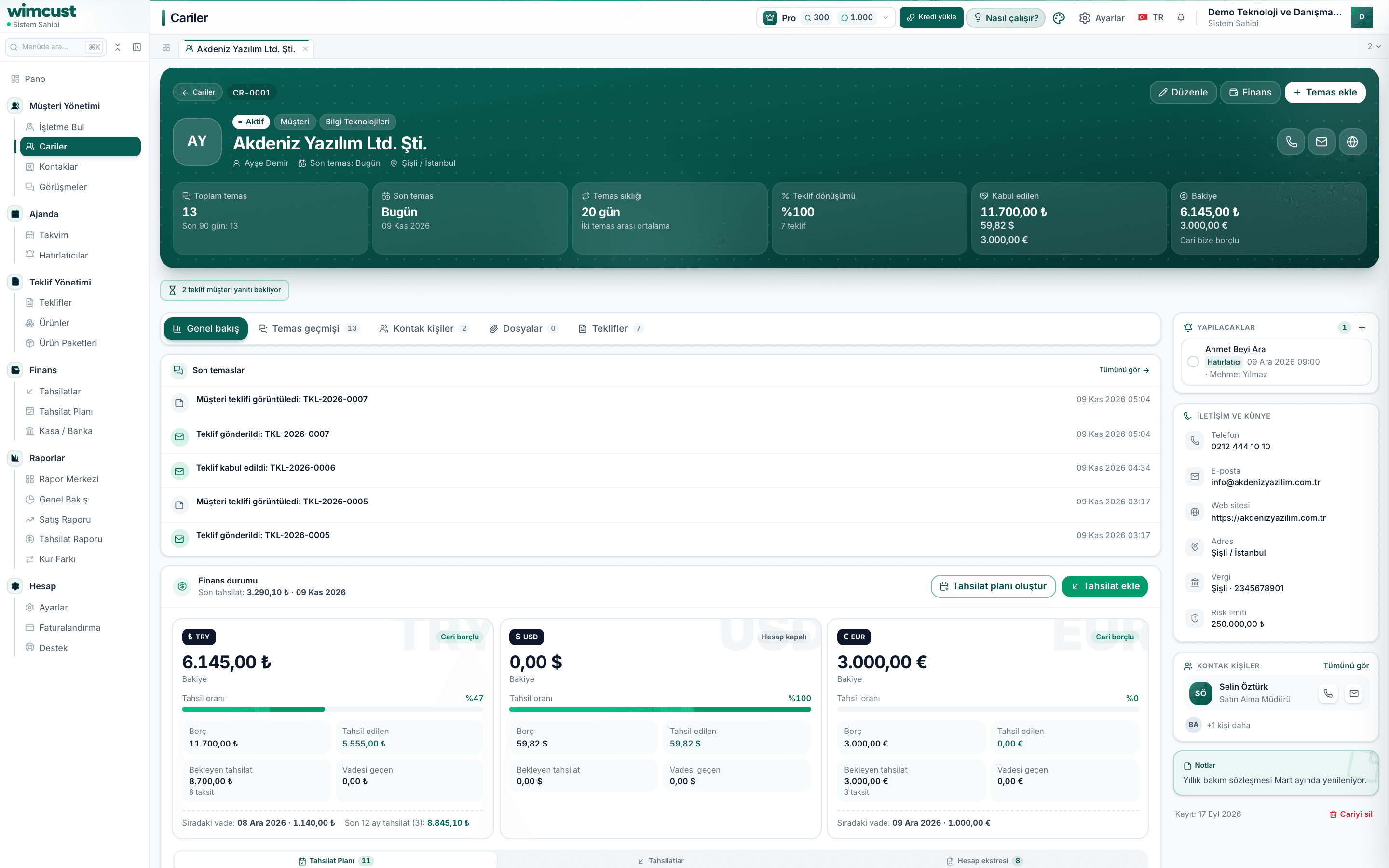
Winning Back Customers Who Have Gone Cold: A B2B Re-Engagement Guide
How to win back customers who have gone cold: spotting quiet accounts, last-contact tracking, re-engagement messages and habits that keep it from happening again.
Read the article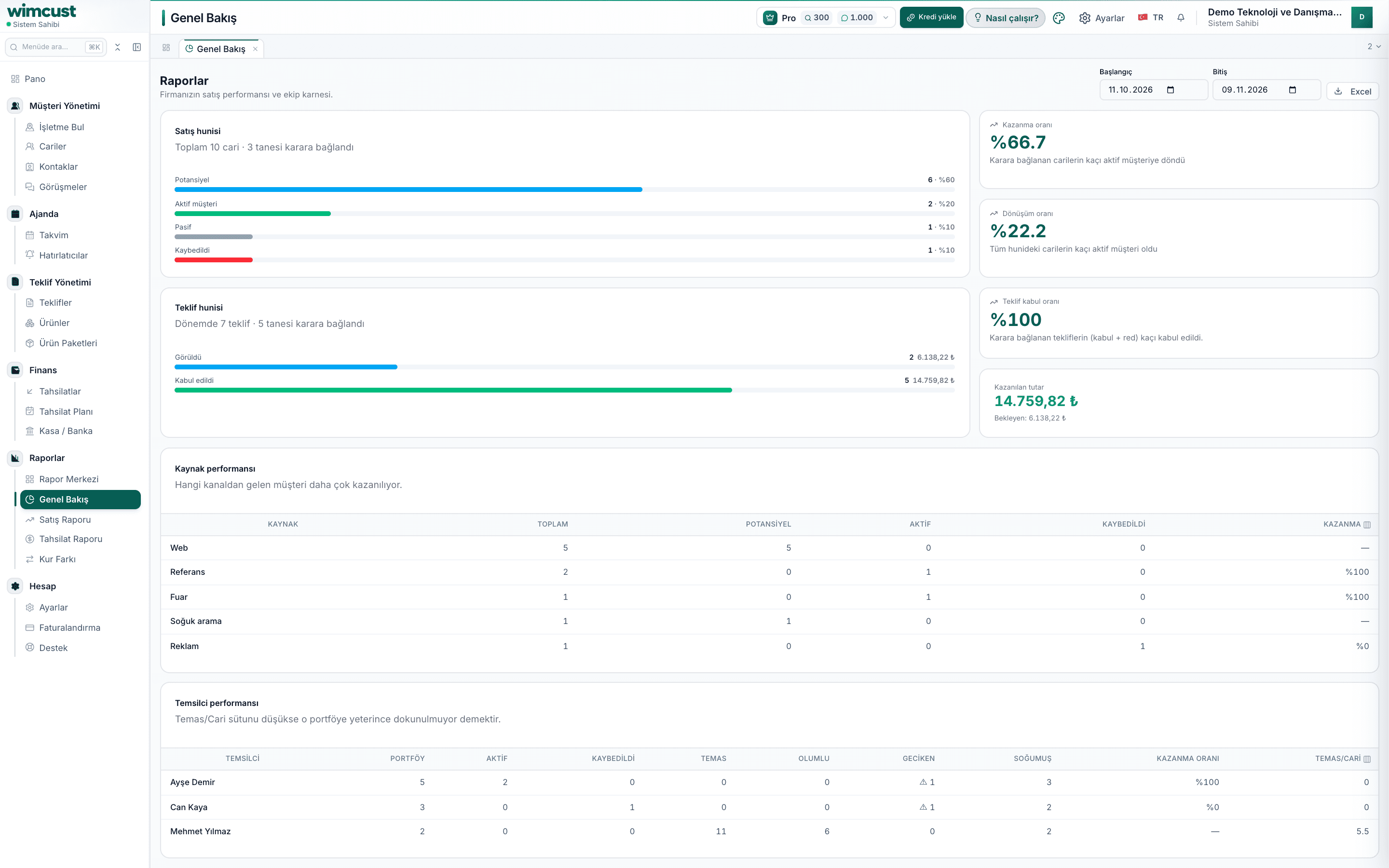
Sales Team Performance Tracking: Which Metrics to Watch
How to track sales team performance: activity, quote, conversion, revenue and collection metrics, the rep scorecard and fair measurement. A practical guide.
Read the articleSign up and find your first 60 prospects for free
Start today and find your first customer this week
The Starter plan is free forever. Open your account without a credit card and create your first customer card in minutes.