

Quote Follow-Up and Conversion Rate: Turning Quotes into Sales
How to follow up on quotes and calculate quote conversion rate: follow-up rhythm, open tracking, validity period, rejection reasons and reporting. A practical guide.
WimCust Team 6 min read
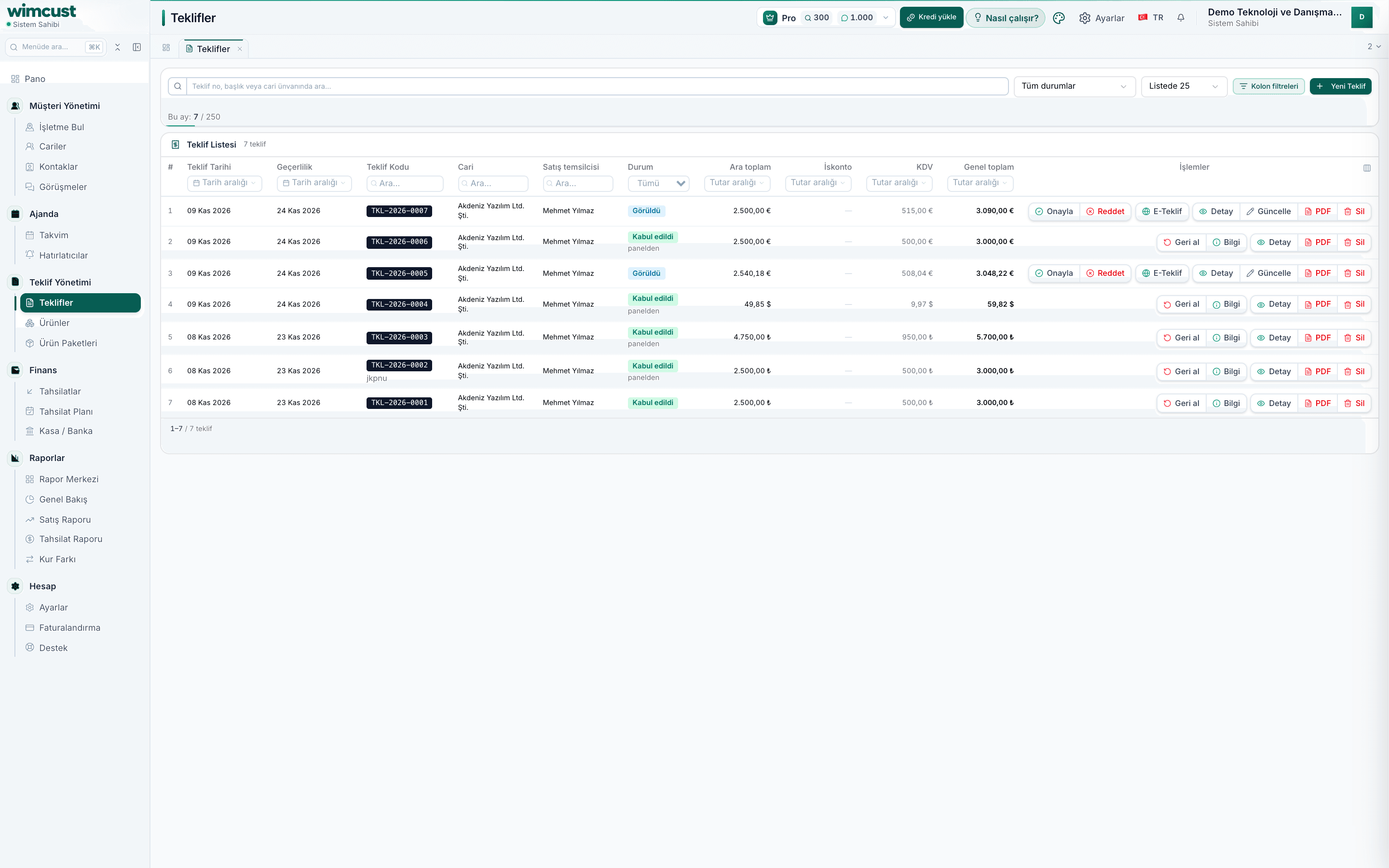
Quote follow-up is the most neglected yet most profitable step of the sales process. Many companies spend hours preparing a quote, send it and then wait to hear from the customer. But while the customer is weighing your quote alongside others, they may not call you to ask the question on their mind; your competitor asks it and wins the sale. In this article we cover how to measure quote conversion rate correctly, set up a follow-up rhythm and learn from lost quotes.
What is quote conversion rate and how is it calculated?
In its simplest form, quote conversion rate is the share of quotes issued in a given period that were accepted:
Conversion rate = Number of accepted quotes / Number of concluded quotes × 100
There are two points to watch here:
- What you use as the denominator: if you include quotes still awaiting an answer, the rate comes out artificially low. That is why it makes more sense to use "concluded" quotes (accepted, rejected, expired) or a sufficiently old period as the base.
- Count or value: winning ten small quotes and losing one big one can look good by count and bad by value. Track both rates together.
There is also a time dimension: quotes issued in a period (volume and conversion) and quotes won in a period (revenue) are different questions. A quote issued in March may be accepted in May. Separating these two questions in your reports lets you assess the team's performance more fairly.
What happens after a quote is sent?
A sent quote usually goes through these stages:
- Sent: it reached the customer, but you do not know whether it was read.
- Opened: the customer looked at the quote. This is the most valuable signal for follow-up.
- Under review: the customer asked a question, requested a revision or is in an internal approval process.
- Concluded: accepted, rejected or expired.
When you email a PDF, it is hard to tell the first two stages apart. When you send the quote as a link, you can know the moment the customer opens it and time your follow-up accordingly.
Setting up a follow-up rhythm
The most common follow-up mistake is either not doing it at all or doing it so often that it overwhelms the customer. Although it varies by industry, the following rhythm is a reasonable starting point for many B2B sales:
- Day of sending: confirm with a short message that the quote has arrived and name the person they can reach if they have questions.
- 1-2 days after the quote is opened: call and ask, "Have you had a chance to look at the quote, is there an item you would like to clarify?" The open signal lets you time this call correctly.
- A week later: if there is still no result, ask about the decision process: who decides, and when?
- A few days before the validity period ends: remind them that the quote is about to expire. This is not pushing the sale; it is honestly telling the customer that the price may change.
After each follow-up, date the next step. A follow-up for which you have not set a reminder will most likely not happen.
What does an unopened quote tell you?
If the quote you sent has not been opened for several days, the problem is not the price but communication: the link may not have reached the right person, may have landed in the spam folder, or the customer may simply be busy. In that case, sharing the quote again through another channel (WhatsApp, for example) or calling directly works. Before worrying "was our price too high?" for an unopened quote, make sure it has been read.
Managing revisions
When the customer asks for a quantity change or an extra discount, make a revision of the quote instead of creating a new file. That way the quote number stays the same, the previous version is kept and it is clear which version is valid in the customer's hands. The old link should become invalid; otherwise the customer might accidentally approve the old version.
Learning from lost quotes
Every rejected quote is a data point. Ask the customer a short, polite question: "So that we can offer a better quote next time, could you share what decided your choice?" Record the answers in set categories: price, delivery time, scope, competitor relationship, project cancelled. After three months, look at which reason stands out. For example, if most losses are due to "delivery time", the problem is not price but operations.
Habits that raise conversion
- A fast quote: the sooner you come back after the customer asks for a quote, the better your position. A product catalog, bundles and terms templates provide this speed.
- The right person: send the quote to the decision maker or to the person who will pass it on best.
- Easy approval: do not make the customer sign, scan and send to say "I accept"; a single approve button should be enough.
- Consistency: quotes with no calculation errors and a clear scope raise fewer questions and are approved faster.
- Approval received by phone: if the customer said "OK" by phone or in person, record that too and note who entered it.
Which reports should you look at?
For most teams, looking at the answers to these questions once a month is enough:
- How many quotes were issued this month, and what is their total value?
- How many of the concluded quotes were accepted (by count and by value)?
- What is the revenue from quotes won this month?
- How does conversion look by rep?
- How many of the expired quotes were never followed up?
Follow-up message examples
The purpose of a follow-up message is not to pressure the sale but to make the customer's decision easier. A few examples:
- After the quote is opened: "Hi Sarah, we saw that you reviewed our quote. Is there anything about the installation dates you would like me to clarify?"
- For the decision process: "Where is the review of the quote at? Would you like me to prepare a short summary to present at your management meeting?"
- Before expiry: "Our quote's validity period ends on Friday. Because some items are priced in foreign currency, we may need to update the price after that; just letting you know."
Keep each message to a single question that is easy to answer.
Expired quotes
A quote whose validity period has ended is not counted as lost, but it does not revive by itself either. Review the list of expired quotes once a month: in which ones is the customer still interested, and in which has the project been cancelled? For the interested ones, make a revision at the current price and send it again. It also matters that an expired link cannot be approved by the customer; otherwise an approval at the old price could put you in a difficult position.
Clarify who is responsible for follow-up, too: will the rep who prepared the quote follow up, or a sales support team? Follow-up with no clear owner does not happen.
Quote follow-up with WimCust
In WimCust, quotes are sent as e-Quote links; the link is PIN-protected, and you can receive an email or WhatsApp notification through the admin automation when the customer first opens it. The customer approves or rejects from the link; approval received by phone is entered from the panel and who entered it is recorded. When a revision is made, the old version is kept and the old link is closed. The sales report measures quotes issued and quotes won in the period separately; the breakdown by rep is visible to authorized users. See the quote management and reports pages for details, or start for free.
- #quote follow-up
- #conversion rate
- #sales process
Frequently asked questions
What is a good quote conversion rate?
It varies widely by industry, quote size and sales model. It is more meaningful to compare against your own past periods than against other companies' rates.
How soon should I follow up on a quote?
Once you know the quote has been opened, a short call within 1-2 days is a good start. Also send a reminder before the validity period ends.
How should I record rejection reasons?
Use fixed categories such as price, delivery time, scope, competitor and project cancelled; categories give a meaningful distribution after a few months, unlike free text.
Read these too
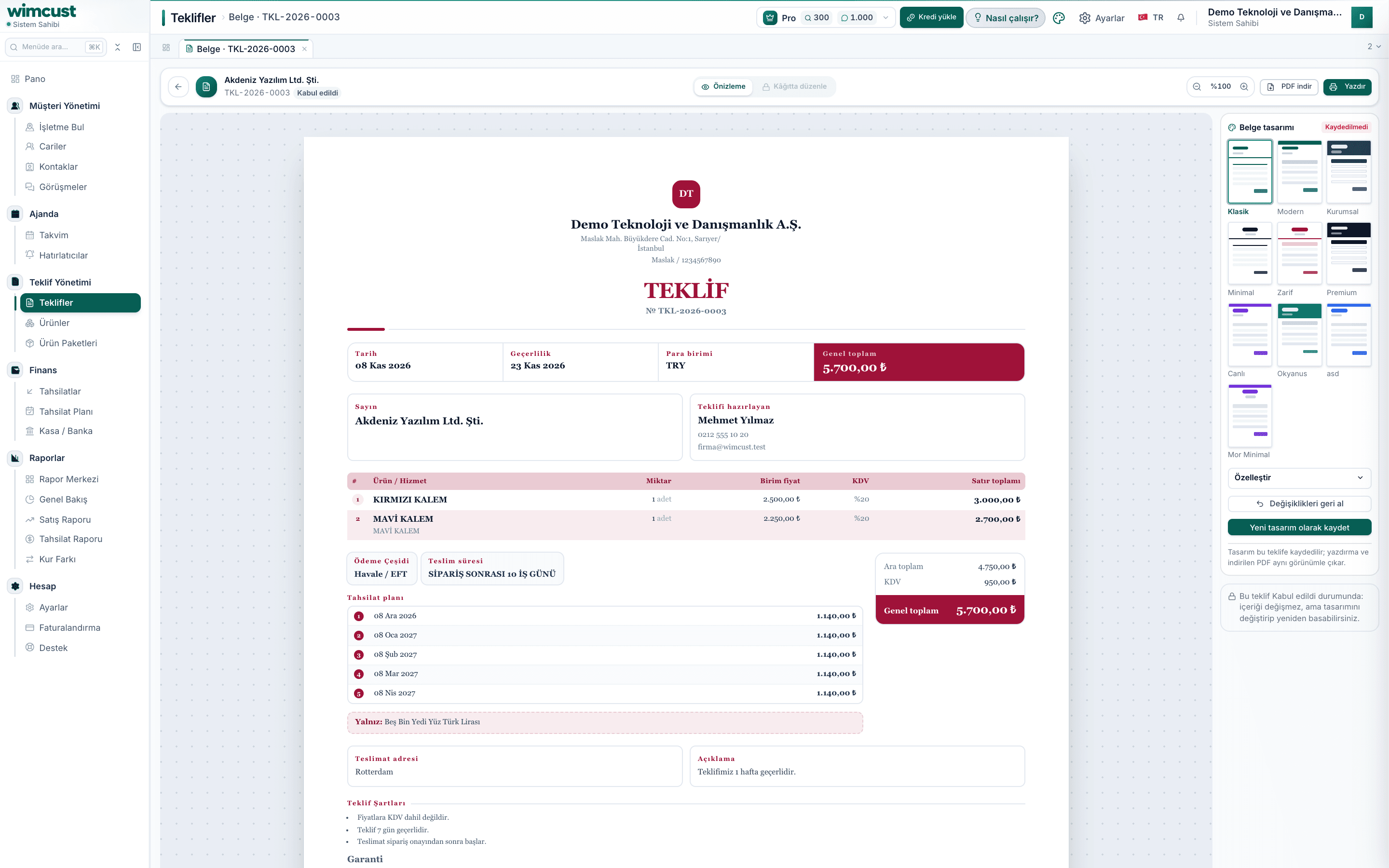
How to Write an Effective Quote: A B2B Sales Quote Guide
How to write an effective quote: structure of a B2B sales quote, pricing, discounts, taxes, terms, validity period and follow-up after sending. A practical guide.
Read the article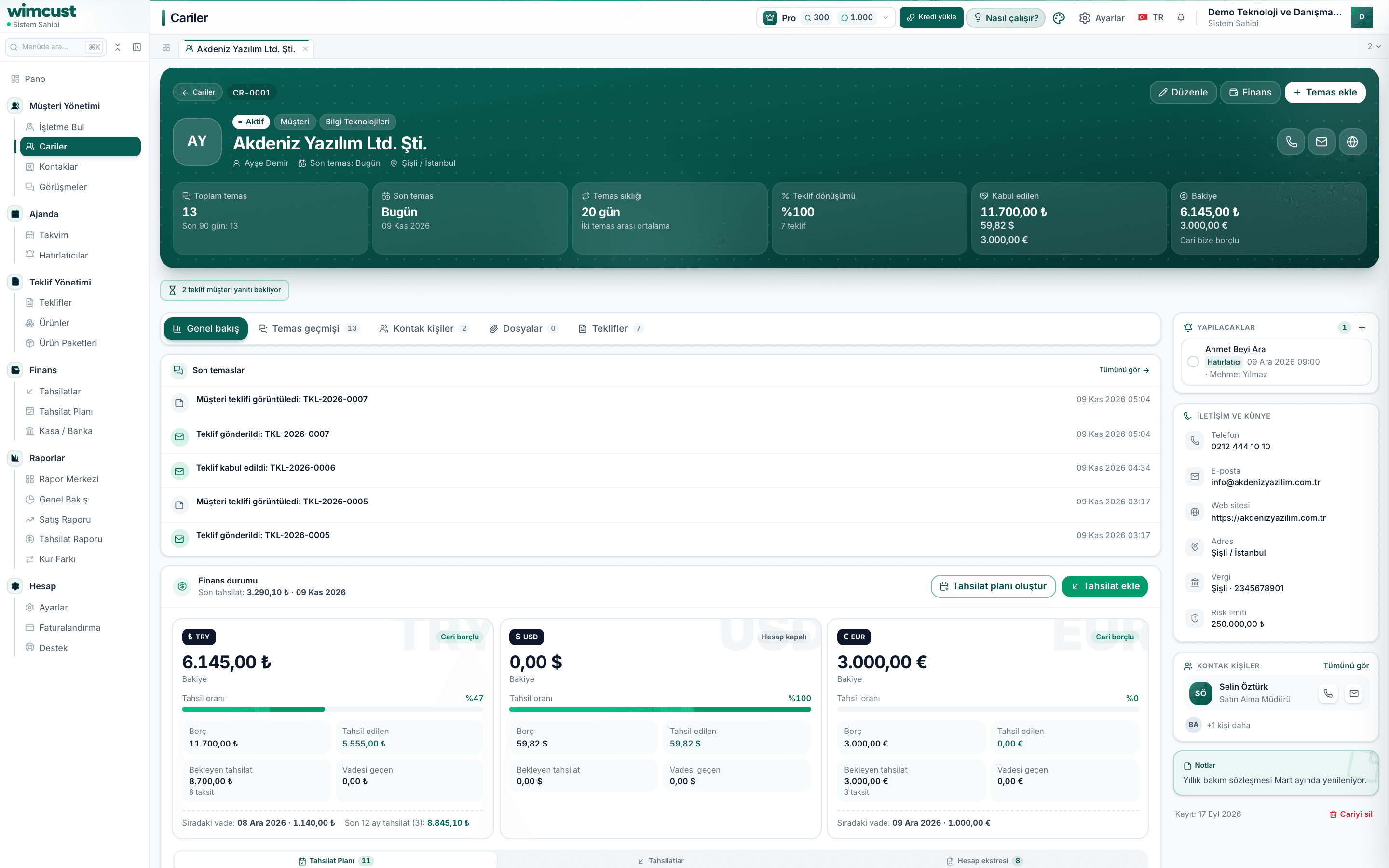
Winning Back Customers Who Have Gone Cold: A B2B Re-Engagement Guide
How to win back customers who have gone cold: spotting quiet accounts, last-contact tracking, re-engagement messages and habits that keep it from happening again.
Read the article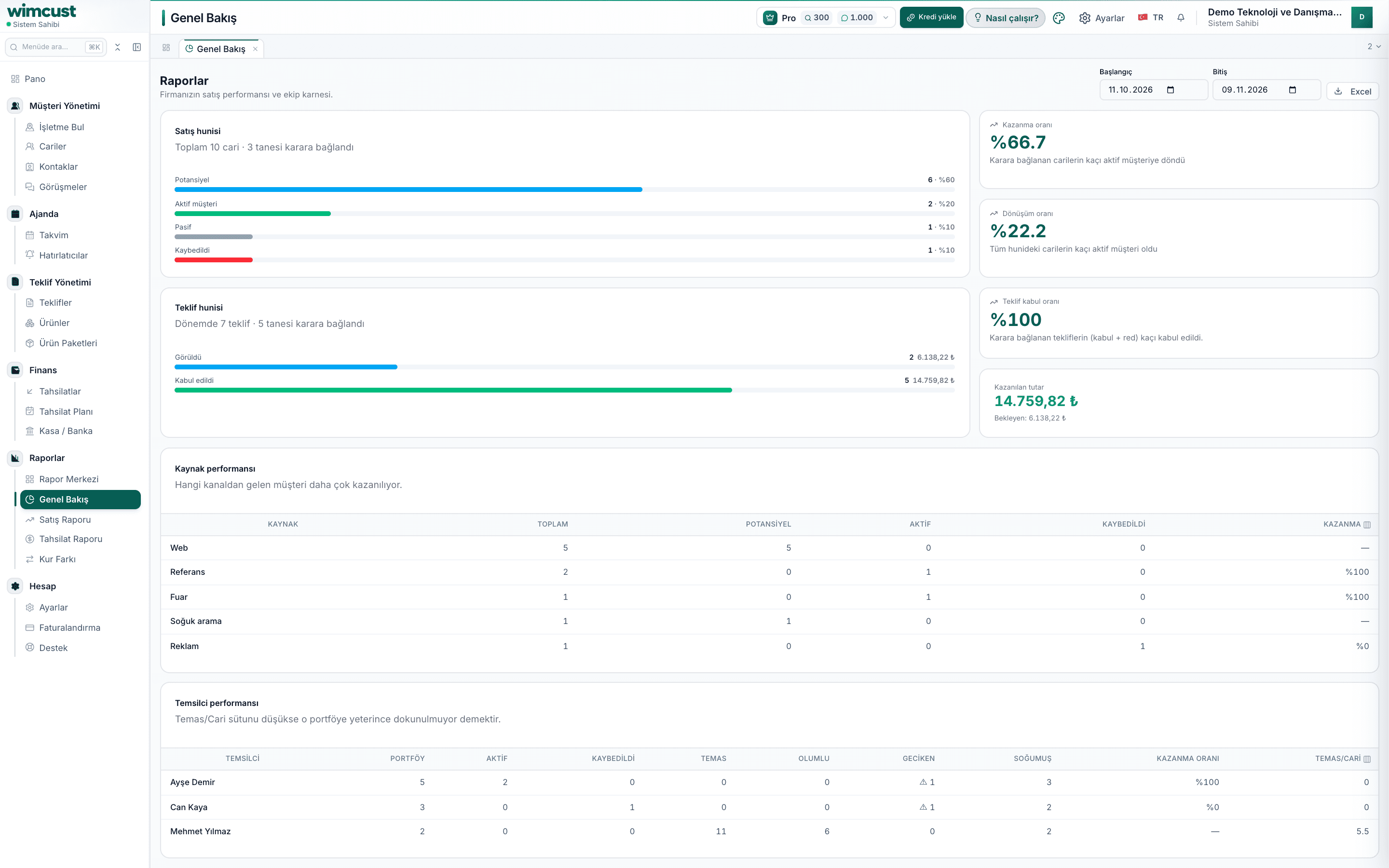
Sales Team Performance Tracking: Which Metrics to Watch
How to track sales team performance: activity, quote, conversion, revenue and collection metrics, the rep scorecard and fair measurement. A practical guide.
Read the articleSign up and find your first 60 prospects for free
Start today and find your first customer this week
The Starter plan is free forever. Open your account without a credit card and create your first customer card in minutes.