

WhatsApp Customer Communication and GDPR: What to Watch
WhatsApp customer communication and data protection: general principles on GDPR, consent, transparency, opt-out, record keeping and good practice for B2B sales teams.
WimCust Team 5 min read
WhatsApp customer communication has become a normal part of B2B sales. A quote link, delivery details, a payment reminder or a short "do you have a minute?" now often goes through WhatsApp. That speed brings responsibility: data protection rules such as the EU GDPR, local rules on marketing messages, and WhatsApp's own terms. In Turkey the equivalent data protection law is KVKK. This article collects general principles.
Important: this article is general information and not legal advice. Data protection and electronic marketing rules are detailed, open to interpretation and change over time, and they differ by country. Have your practices reviewed by a legal adviser and keep up with current rules.
Which rules may apply?
- Data protection law (for example GDPR in the EU and UK, or your local law): a phone number, a name and message content relating to an individual are personal data. Collecting, storing and using them needs a lawful basis and must follow principles such as transparency, purpose limitation and data minimisation.
- Rules on marketing and electronic messages: many countries require consent or offer an opt-out for messages that promote goods or services. Details vary widely by country and by recipient type.
- WhatsApp's own terms and business messaging policy: breaking them can get your number restricted.
Service message versus marketing message
The purpose of the message matters. Sending a quote the customer asked for, a payment reminder for an existing contract or delivery information is generally part of performing the relationship. Product promotion, campaign announcements or a sales message to someone you have never dealt with can count as marketing. The line is not always clear, so discuss which messages fall where with a legal adviser.
Individuals and companies
Data protection laws protect individuals. In B2B sales your counterpart may be a company, but the person you talk to, such as a purchasing manager or an owner, is an individual, and their mobile number is personal data. For sole traders the business phone can be the owner's private number. So "it is B2B, data protection does not apply" is usually wrong. Marketing rules may treat messages to businesses differently, but the recipient's right to refuse is normally still respected.
General principles
1. Transparency
Tell people what data you process, why, on what legal basis and what their rights are. A current privacy notice on your website and in your contracts is the foundation.
2. Lawful basis and consent
Every processing activity needs a lawful basis such as performance of a contract, a legal obligation, legitimate interest or consent. For marketing messages, check the separate consent rules that apply. If you obtain consent, record when, how and for which channel.
3. Respect opt-outs
When someone says "do not message me again", record it immediately and honour it. Keeping that note where the whole team can see it stops another colleague from writing to the same person.
4. Proportionality
Collect only what you need and keep it only as long as needed. You do not need a date of birth to send a quote.
5. Security
Limit access to customer data to authorised people. Hundreds of customer numbers and conversations left on a departed employee's personal phone are a risk for both data security and business continuity.
6. Record keeping
Keep a record of whom you messaged, when and why. If a complaint or request arrives, the record is the strongest way to explain what happened.
Good practice
- Use a company number: running customer communication from the company's number rather than reps' personal ones improves control and continuity.
- Introduce yourself: in the first message say who you are, which company you represent and why you are writing.
- Avoid bulk and repetitive messages: sending the same text to hundreds of people can be risky legally and can get your number reported and restricted.
- Be short and relevant: one topic, related to the recipient's work.
- Write at suitable hours: sales messages outside business hours leave a bad impression.
- Share sensitive documents carefully: an access-protected link instead of a file attachment lowers the risk if a message reaches the wrong person.
First message to a new prospect
Writing for sales purposes to a number you found in a public business listing is among the cases needing most care. A cautious approach: keep the message personal and one-off, say who you are, remind the recipient they can say they are not interested and record any "no" without exception. Have a legal adviser assess in advance whether this kind of outreach is suitable for your company in your country.
Internal rules for your team
Write a short WhatsApp guide: which number to use, which kinds of messages are allowed, how opt-outs are recorded and how customer data is handled on personal devices. Preparing it with a legal adviser helps the team act consistently and safely.
Mind the content
WhatsApp messages are easily screenshotted and forwarded, so avoid sharing more personal or commercial information than needed. Do not send messages that contain other customers' names, prices or details. Use access-protected links for sensitive documents and know how long a link stays valid. A chat is also no substitute for a formal document such as a contract or quote, so tie important decisions to a document.
WhatsApp in WimCust
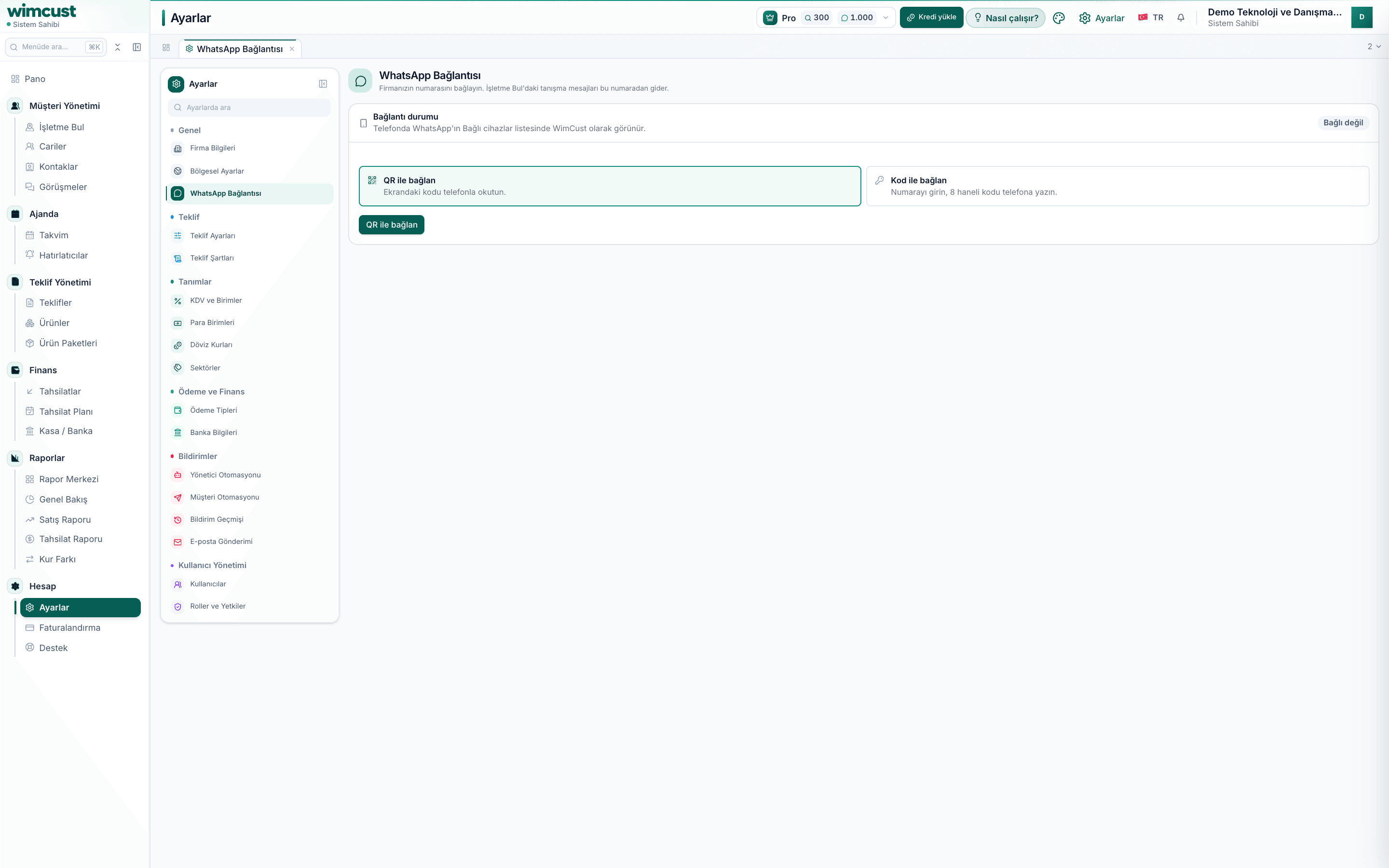
WimCust's WhatsApp integration links your company's own number by QR code; quote links, automation messages and introduction messages go from that number rather than reps' personal ones. Messages are spaced out and sent in order, and in Find Businesses a second message to the same prospect needs separate confirmation. Quotes can be shared through a PIN-protected e-Quote link instead of a file. Every outgoing message is logged in Notification History with event, recipient and result. These features support responsible use; compliance remains always the sender's responsibility. Try it free.
- #GDPR
- #data protection
Frequently asked questions
Does data protection law apply to B2B communication?
Even when your counterpart is a company, the person you contact is an individual, and details such as their number and name are personal data. So data protection rules are often relevant. Ask a legal adviser about your case.
Is sending a quote link on WhatsApp a marketing message?
Sending a quote the customer requested is generally seen as communication tied to an existing request, but it can depend on content and context. Ask a legal adviser for a definite view.
What if a customer tells me not to write again?
Record the request immediately and honour it, and keep it where the whole team can see it so no one else writes to that person.
Read these too
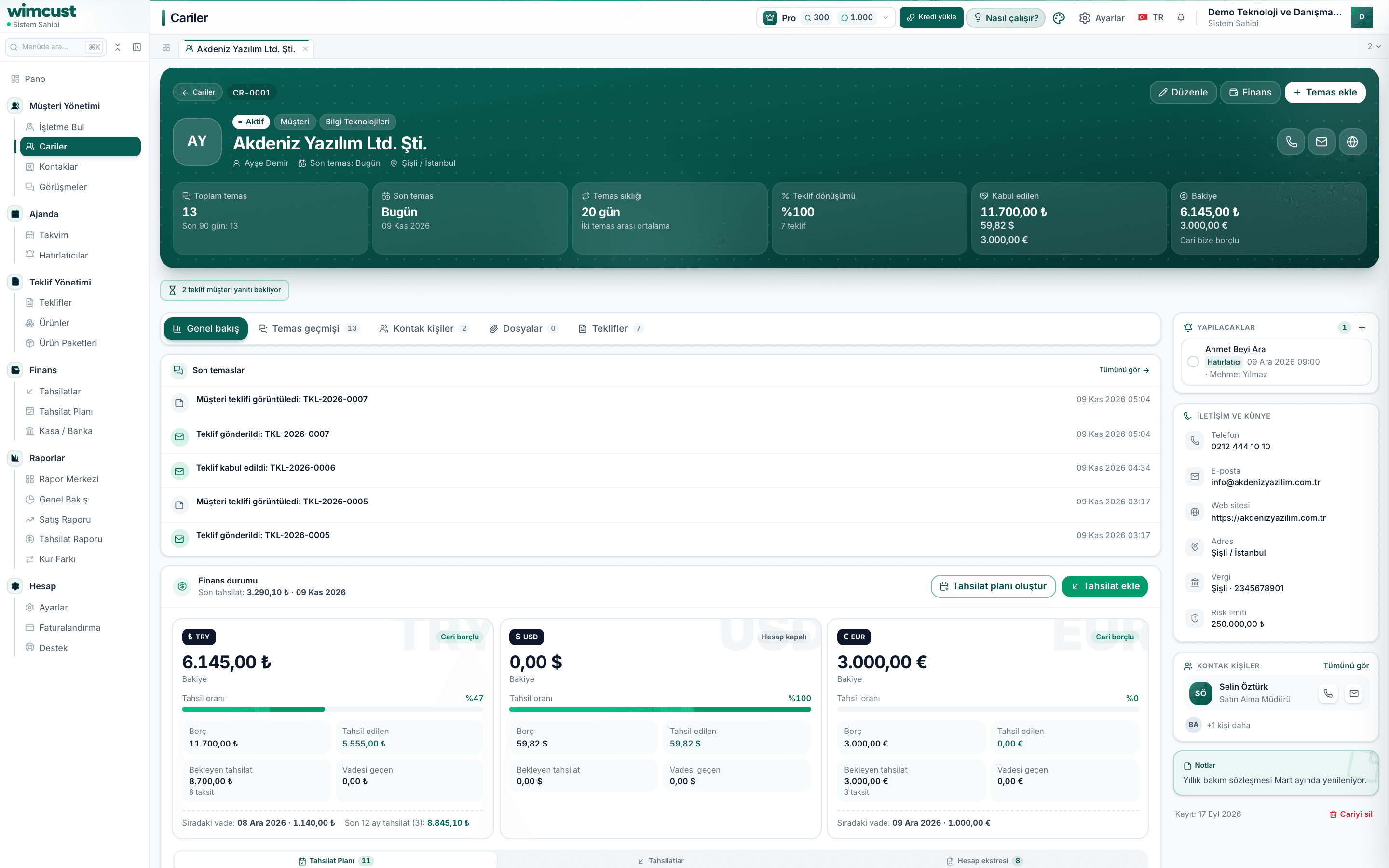
Winning Back Customers Who Have Gone Cold: A B2B Re-Engagement Guide
How to win back customers who have gone cold: spotting quiet accounts, last-contact tracking, re-engagement messages and habits that keep it from happening again.
Read the article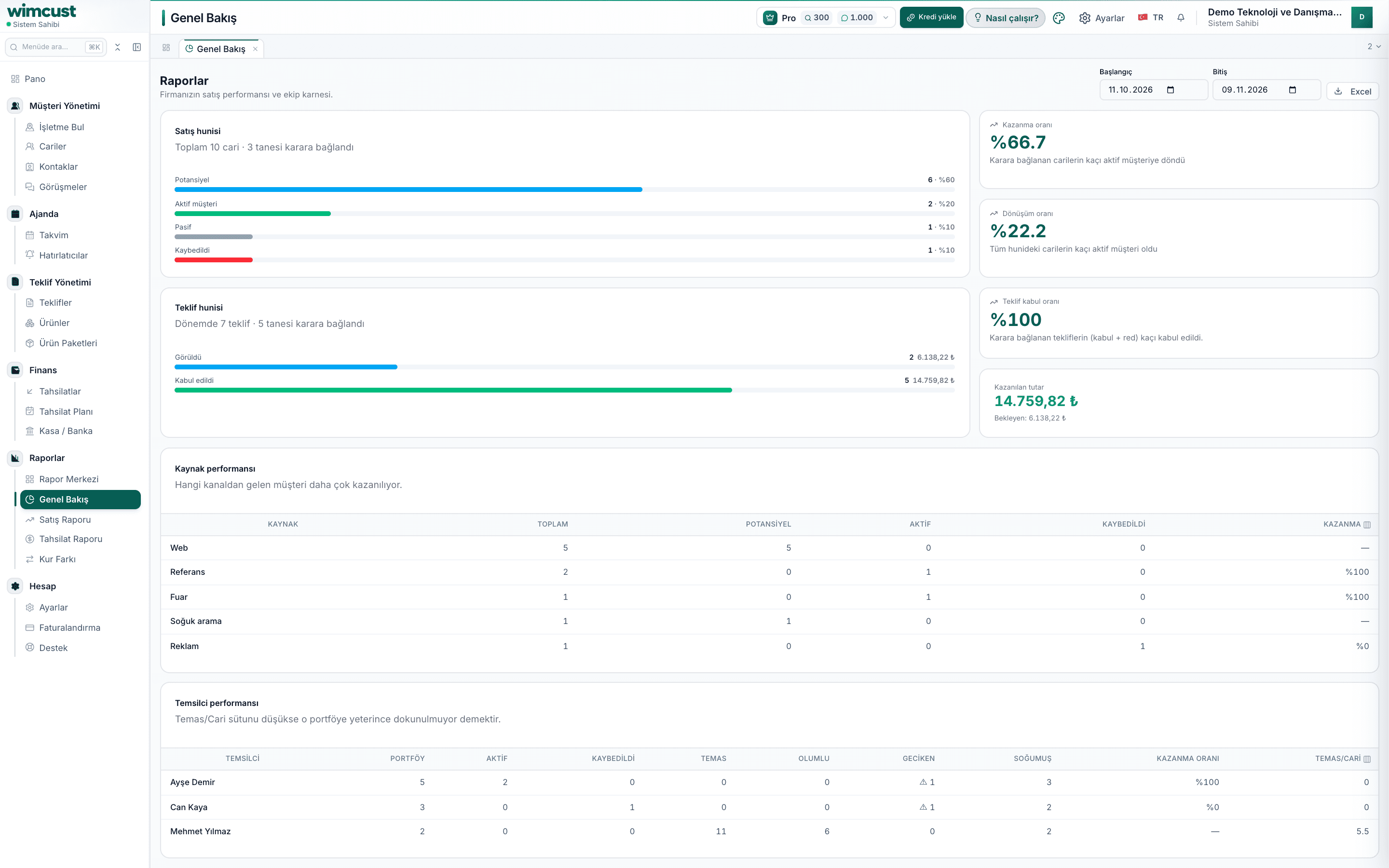
Sales Team Performance Tracking: Which Metrics to Watch
How to track sales team performance: activity, quote, conversion, revenue and collection metrics, the rep scorecard and fair measurement. A practical guide.
Read the article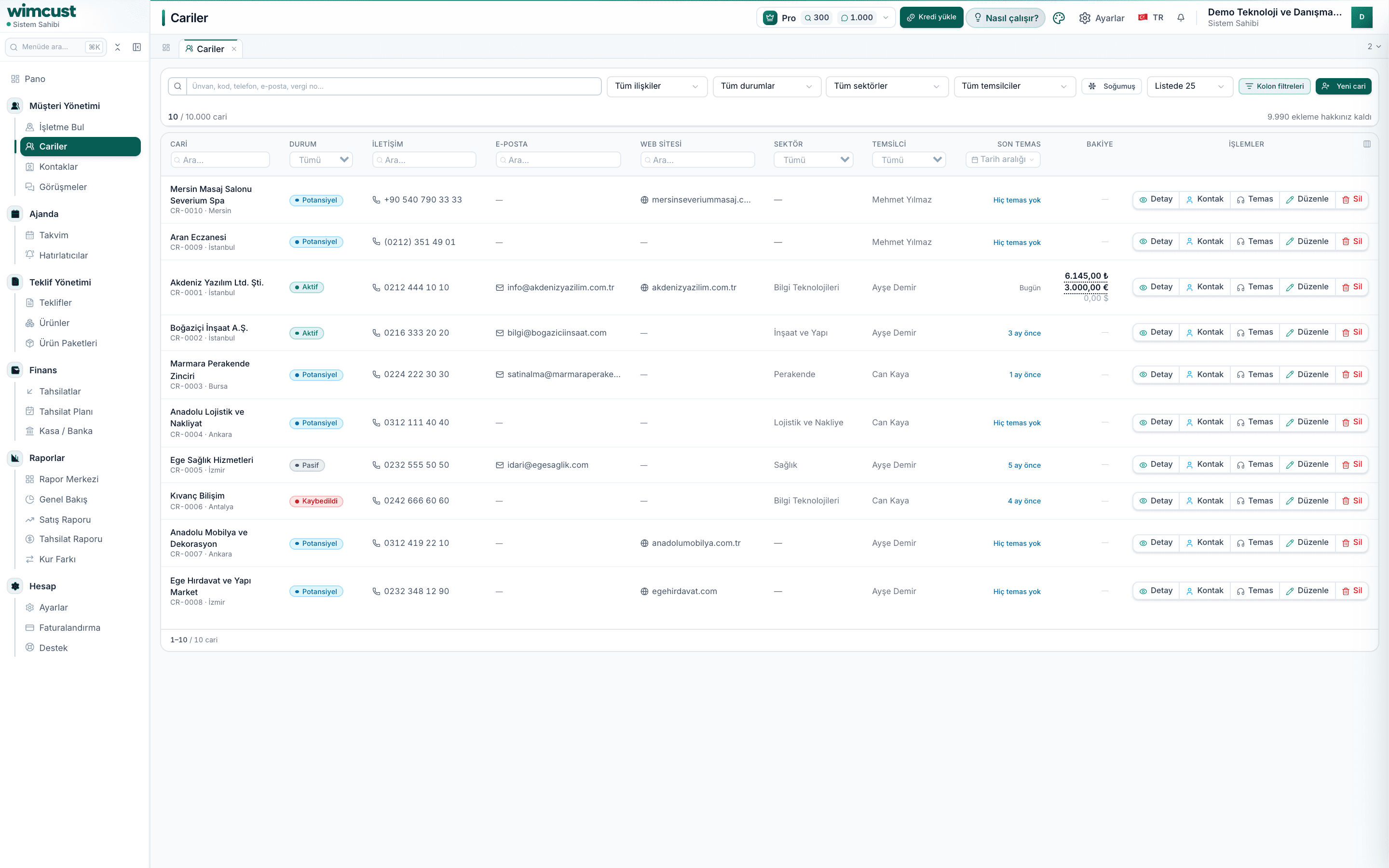
Moving from Excel to a CRM: A Step-by-Step Guide Without Losing Data
How to move from Excel to a CRM: data cleaning, column mapping, deduplication, import preview, portfolio assignment and getting the team on board. A step-by-step guide.
Read the articleSign up and find your first 60 prospects for free
Start today and find your first customer this week
The Starter plan is free forever. Open your account without a credit card and create your first customer card in minutes.