

12 Ways to Find New B2B Customers
Ways to find new B2B customers: defining your ideal customer, map-based prospect lists, referrals, trade shows, content and follow-up discipline. 12 practical methods.
WimCust Team 6 min read
Most articles about how to find new customers are written for companies with a large marketing budget. Yet the majority of B2B businesses are small teams that find customers by phone, by visiting in person and through word of mouth. In this article we have collected 12 ways a small or mid-sized team can start using tomorrow morning. You do not need to do all of them at once; picking two and applying them with discipline for three months will deliver more than trying ten for a week.
1. Write down who you are looking for
"Anyone can be our customer" is the biggest obstacle to finding customers. Look at your five best current customers: which industry are they in, how many employees do they have, which city are they in, why did they choose you? The answers form your ideal customer profile. The more specific the profile, the shorter and more valuable your prospect list. "Furniture manufacturers with 10-50 employees and their own workshop in the greater Chicago area" is a definition; "manufacturers" is not.
2. Build a local prospect list from the map
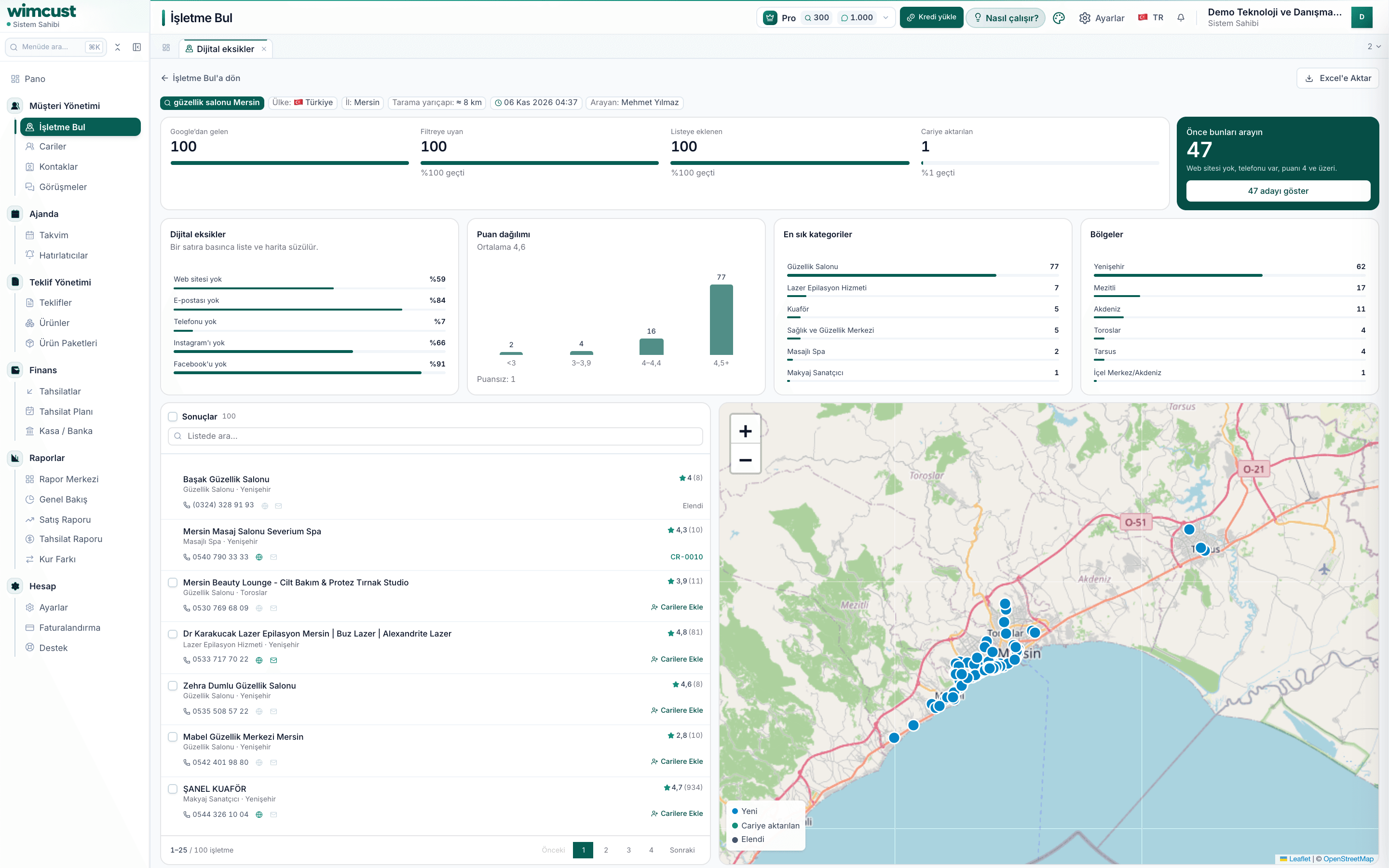
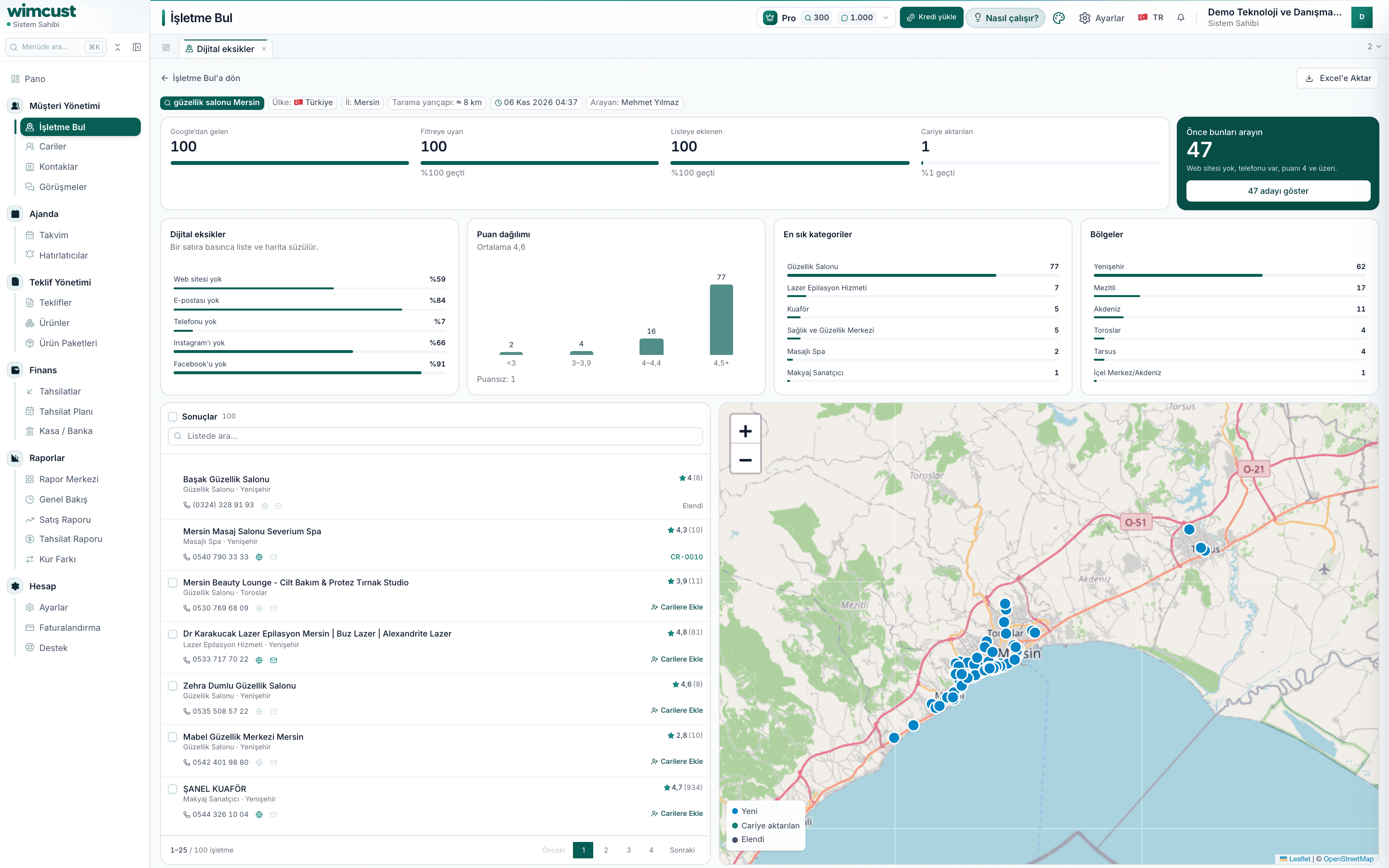
If you sell to local businesses, your target audience is already on the map. Picking an industry and an area and listing the businesses is one of the fastest ways to build a prospect list. What matters is filtering it: businesses that have a phone number, a rating above a certain level, perhaps no website at all. We cover this in detail in building a prospect list from online maps.
3. Ask existing customers for referrals
A happy customer is your most trusted salesperson, but they rarely recommend you unless you ask. After a smooth delivery or a successful project, simply ask: "Do you know someone who works like you and might need this service?" Mark referred leads in your CRM with the source "referral"; a few months later your report will show which source brings in the most customers.
4. Go back to lost and cooling customers
Winning back an old customer is just as much customer acquisition as finding a new one. A company that said "not now" six months ago may be ready today. Regularly listing accounts you have not contacted for a long time and calling them again converts far better than cold calling. See winning back customers who have gone cold for details.
5. Make prepared cold calls
Cold calling has a bad reputation because it is usually done without preparation. Knowing what the business does, whether it has a website or social media account, and what its customer reviews say changes the conversation. In your first sentence, talk about their likely problem, not about what you sell. Record the outcome of every call (reached, not reached, call back, not interested); it is the only way to avoid bothering the same number twice.
6. Send a short, personal first message on WhatsApp
In some industries, making first contact with a short message instead of a call is less intrusive. Keep it personal, short and built around a single question. Mass copy-and-paste messages are both ineffective and can lead to complaints about your number. We cover the general points to watch regarding commercial messaging and personal data rules in WhatsApp customer communication and data protection.
7. Use trade shows and industry events with a plan
Trade shows are still among the most productive meeting points in B2B, but most business cards end up in a drawer afterwards. Before the show, list the companies you want to meet; during the show, record every conversation with a short note; in the first week after the show, get back to everyone. Tagging show-sourced accounts separately gives you data for next year's decision on whether to attend again.
8. Partner with complementary businesses
Companies that sell to the same customers as you but are not your competitors can be your best source of leads. An HVAC installer and an electrical contractor, or an accountant and a software reseller, can refer customers to each other. Agree on the rules of referral up front and track how many customers come from whom.
9. Create useful content
Turning the questions your customers ask most often into a blog post, a short video or a one-page guide brings in prospects from search engines over the long term. Content marketing does not deliver quick results, but a good guide written once can be read for years. The easiest start for a sales team is a short post each week that answers one question from a customer.
10. Keep your website and map listing up to date
A potential customer who is looking for you will check online first. An up-to-date website, correct opening hours, a reachable phone number and answered reviews on your business listing build trust. Just as you look for others on the map, others look for you there.
11. Do not lose them at the quote stage
The most expensive part of finding customers is losing the customer you found and sent a quote to. Knowing whether the quote was opened, following up before it expires and answering objections quickly directly affect your conversion rate. We cover this in quote follow-up and conversion rate.
12. Record everything in one place
All of the methods above rest on a single habit: recording who you spoke to, when and about what, and dating the next step. If this information stays in a rep's head or in scattered spreadsheets, even the best prospecting method is like pouring water into a leaky bucket. Logging every conversation and setting follow-up reminders is the invisible but most important part of finding customers.
Which method should you start with?
If your team is small, start with 1, 2 and 12: write down who you are looking for, build a local prospect list and record every contact. Then use 3 and 4 to create value from your existing customer base. Methods such as content and trade shows are longer-term investments.
Do not forget to measure. Give each new account a source tag (map search, referral, trade show, website, cold call) and after three months look at which source converted into the most quotes and sales. Seeing conversion by source tells you where to spend your time next quarter.
A sample plan for one week
To move from theory to practice, a small team's first week could look like this: on Monday write down the ideal customer profile and pick two areas; on Tuesday and Wednesday build and filter prospect lists for those areas; on Thursday and Friday have each rep make a set number of prepared calls a day and record the result of each. On Friday afternoon, sit down as a team for 20 minutes to discuss which message got more interest in which industry. In the second week, repeat the same cycle with what you learned.
Finding customers with WimCust
WimCust's Business Finder lists businesses on the map by industry and location, narrows the prospect list with filters and moves a suitable prospect into an account with one click. For the imported account, conversation tracking, reminders and quotes all run in the same system, and source performance shows up in reports. You can try it with the free Starter plan, and see the customer finding software page for details.
- #finding customers
- #B2B sales
- #sales prospecting
Frequently asked questions
What is the fastest way to find customers in B2B?
For most small businesses, the fastest results come from a regional prospect list built around a clear ideal customer profile, followed by prepared calls. Referrals usually deliver the highest conversion.
Does cold calling still work?
Yes, when it is prepared. Knowing the business beforehand, keeping the conversation short and problem-focused, and recording the outcome of every call make the difference.
How do I measure which method works?
Give every new lead a source tag and compare quote and sales conversion by source at regular intervals.
Read these too
How to Build a Prospect List from Online Maps
Steps for building a prospect list from map business listings: defining your target, choosing area and industry, filtering, prioritizing and contacting responsibly.
Read the article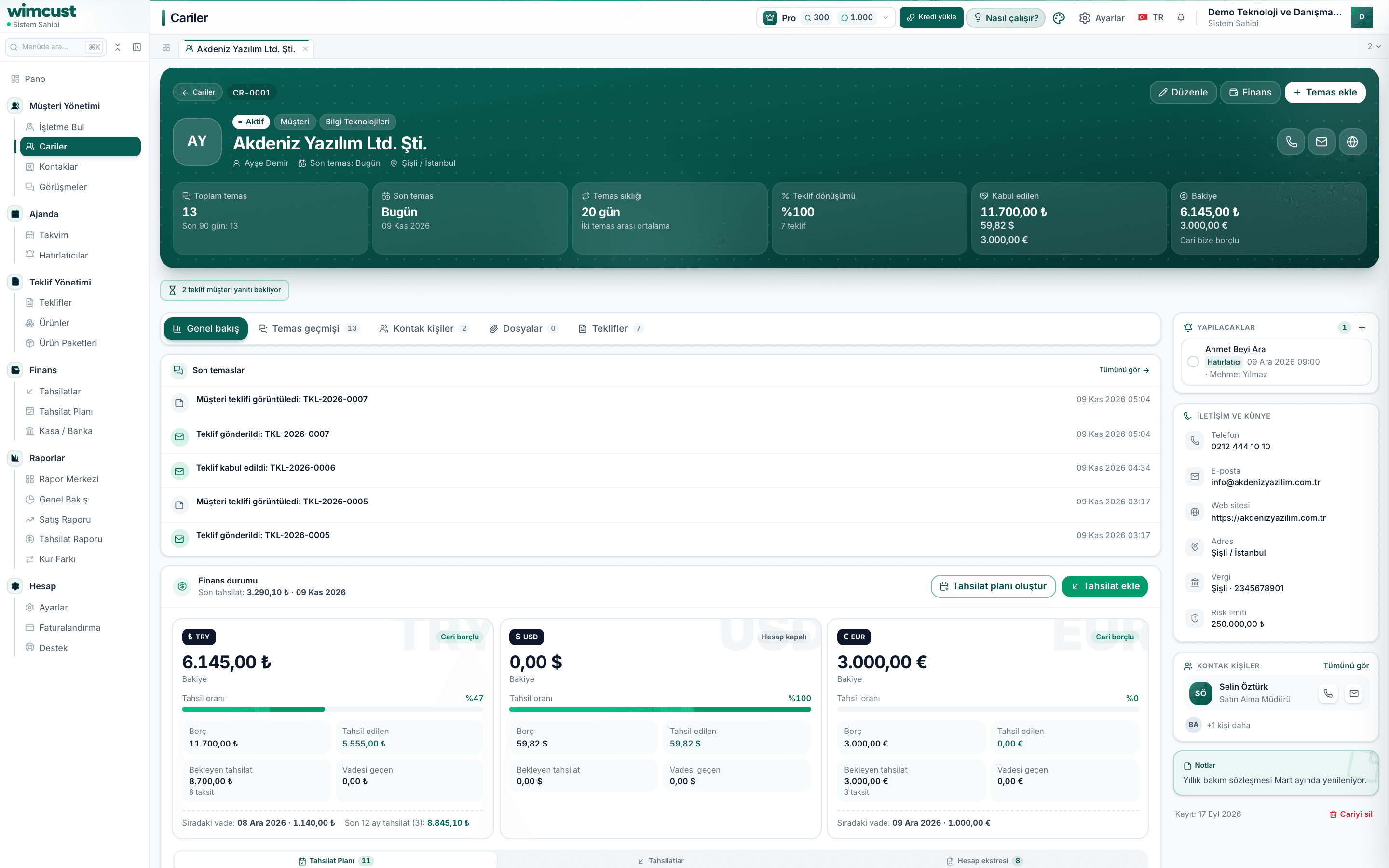
Winning Back Customers Who Have Gone Cold: A B2B Re-Engagement Guide
How to win back customers who have gone cold: spotting quiet accounts, last-contact tracking, re-engagement messages and habits that keep it from happening again.
Read the article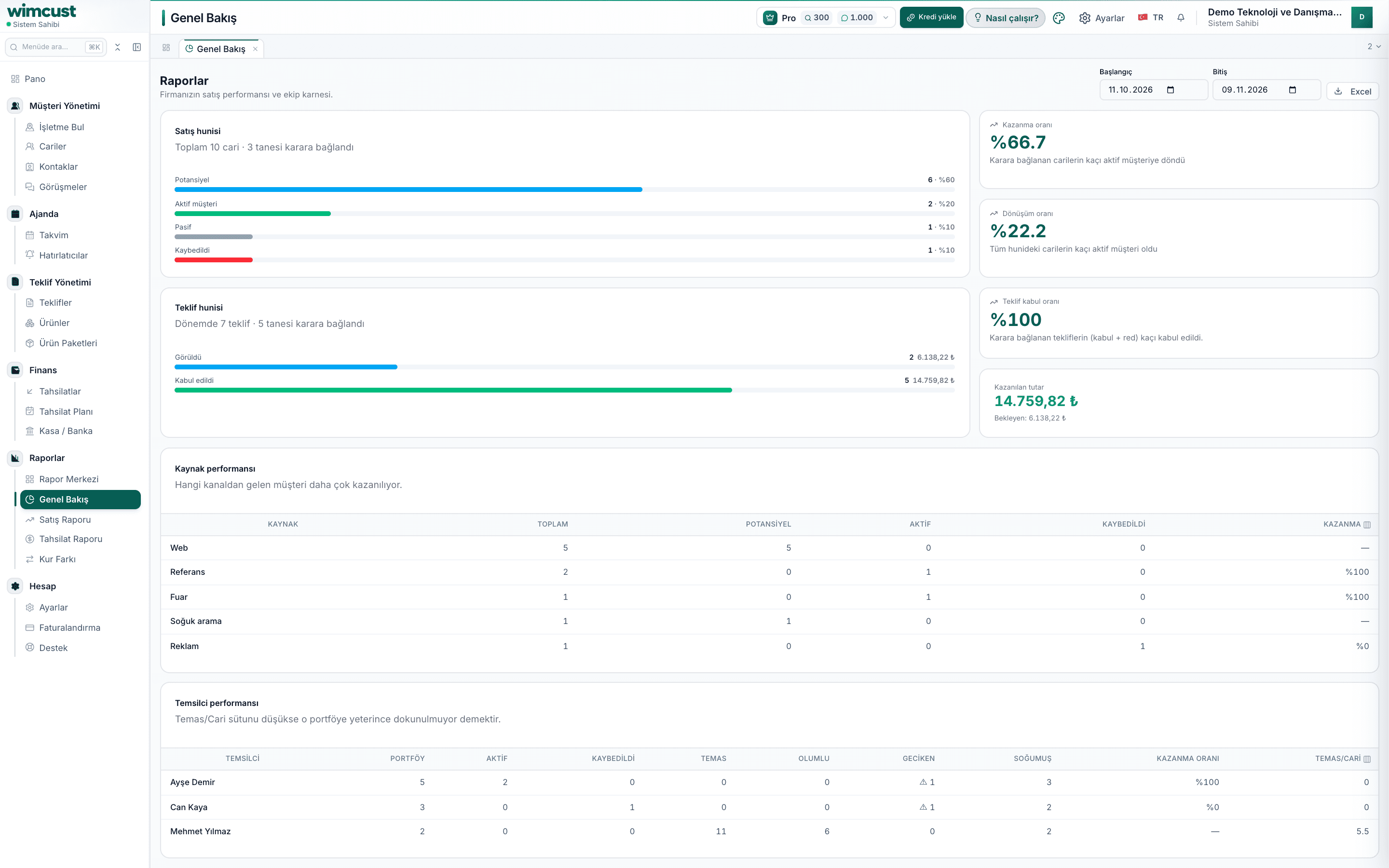
Sales Team Performance Tracking: Which Metrics to Watch
How to track sales team performance: activity, quote, conversion, revenue and collection metrics, the rep scorecard and fair measurement. A practical guide.
Read the articleSign up and find your first 60 prospects for free
Start today and find your first customer this week
The Starter plan is free forever. Open your account without a credit card and create your first customer card in minutes.